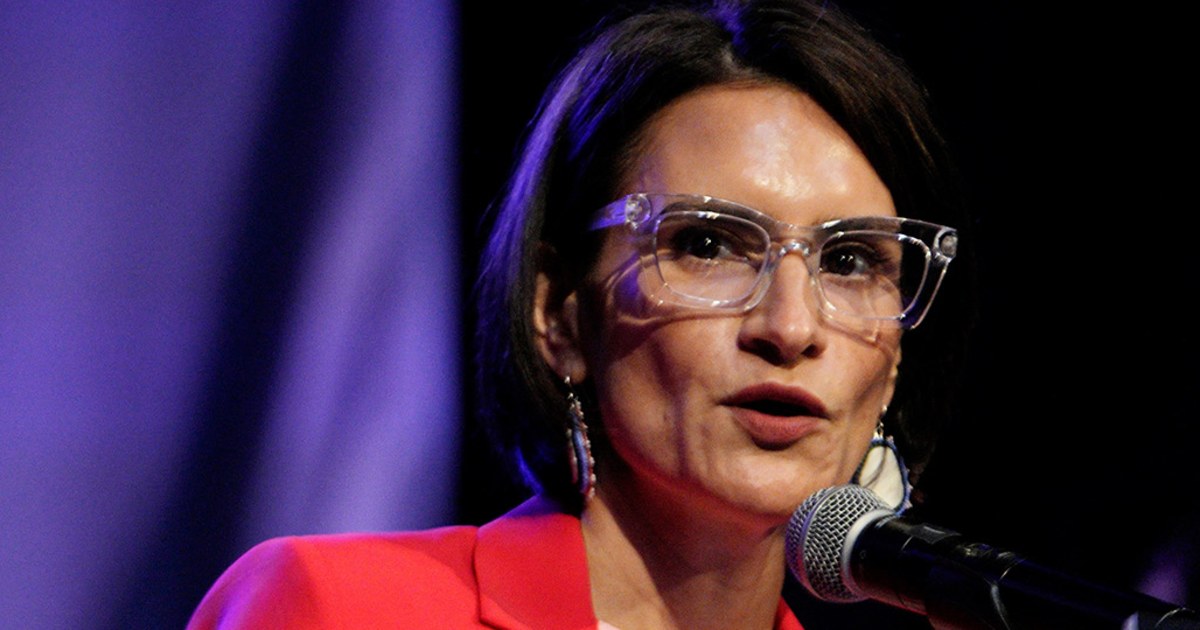
Minnesota Lieutenant Governor Peggy Flanagan has secured a victory in the U.S. Senate race, defeating Republican challenger Michele Tafoya to keep the open seat in Democratic hands. The outcome marks a historic milestone as Flanagan becomes the first Native American woman elected to the U.S. Senate. The seat became open after Senator Tina Smith announced last year that she would not seek another term.
Flanagan, who defeated a more moderate primary opponent over the summer to capture the nomination, represents a prominent win for the progressive wing of the Democratic Party. Her platform includes support for policies such as national paid family and medical leave, universal healthcare initiatives, and comprehensive immigration reform. Beyond its historic implications, the victory reinforces Democratic strength in a state where Republicans had sought to make political inroads.
A Tense Campaign Shaped by High-Stakes Issues
Republicans eyed the Minnesota seat as a prime pickup opportunity, aiming to capitalize on federal fraud investigations and immigration enforcement actions that became central talking points throughout the campaign. Central to the political debate were high-profile criminal investigations into social service and meal-program fraud, which federal prosecutors brought against numerous defendants in the state.
Republican candidate Michele Tafoya, a former sports broadcaster making her first run for public office, framed her campaign around an outsider identity. She campaigned heavily on public integrity, advocating for mandatory minimum sentences for financial fraud and supporting strict deportation measures for non-citizens convicted of fraud crimes.
Flanagan addressed the state's fraud challenges by maintaining that financial malfeasance was completely unacceptable and acknowledging that government oversight needed to be stronger, while pointing to state administrative steps taken to confront administrative lapses.
How the Vote Shifted on Election Night
Early election night returns initially showed Tafoya leading as rural precincts across the state reported their counts rapidly. However, the dynamics shifted decisively late in the evening when heavy returns arrived from Hennepin and Ramsey counties, which encompass the Minneapolis–Saint Paul metropolitan area.
Because the Twin Cities metro region holds the vast majority of Minnesota's electorate, the late influx of urban precinct tallies overturned the early leads built in less populated counties. Observers tracking the count noted how the late-reporting urban centers swung the statewide totals to deliver the projected victory.
"It always looks like the GOP might win until Hennepin and Ramsey come through with the DFL freight train."
Observers familiar with Minnesota's election mechanics highlighted that the delayed reporting from high-density metro areas is a standard pattern in the state's vote tabulation process.
"The Seven County Twin Cities metro area is 60% of Minnesota’s population and growing. Metro area precincts tend to start reporting around 11 PM Central."
Broader Implications for the Senate
The Minnesota result arrives alongside key legislative contests across the country that determine the balance of power in Washington. By holding Minnesota, Democrats preserve a critical seat while expanding their working buffer in the upper chamber, mitigating the impact of individual swing votes on key party initiatives.
With major policy debates on healthcare, federal appointments, and economic policy on the horizon, Flanagan's transition to Capitol Hill establishes a distinct progressive voice in the Senate while solidifying Minnesota's long-standing Democratic alignment in federal elections.

